Published project evidence
Three different operations. Specific software needs.
Read the original project accounts to see the context, the work described and the responsibilities involved. A previous project's features or results are not a promise about a new implementation.
TradeFlex · Contractor coordination
Brocoders helped create a construction staffing marketplace with work orders, contractor applications and hours approval. The case distinguishes its production release from later work under client testing. It offers a relevant example of turning an operational brief into a scoped system.
Read the TradeFlex case
Backbone International · Event operations
Brocoders developed a platform for event planning, scheduling and supplier coordination. Its project account describes workshops and a prototype, followed by iterative delivery. Different participants needed appropriate access to shared schedules and operational information.
Read the Backbone case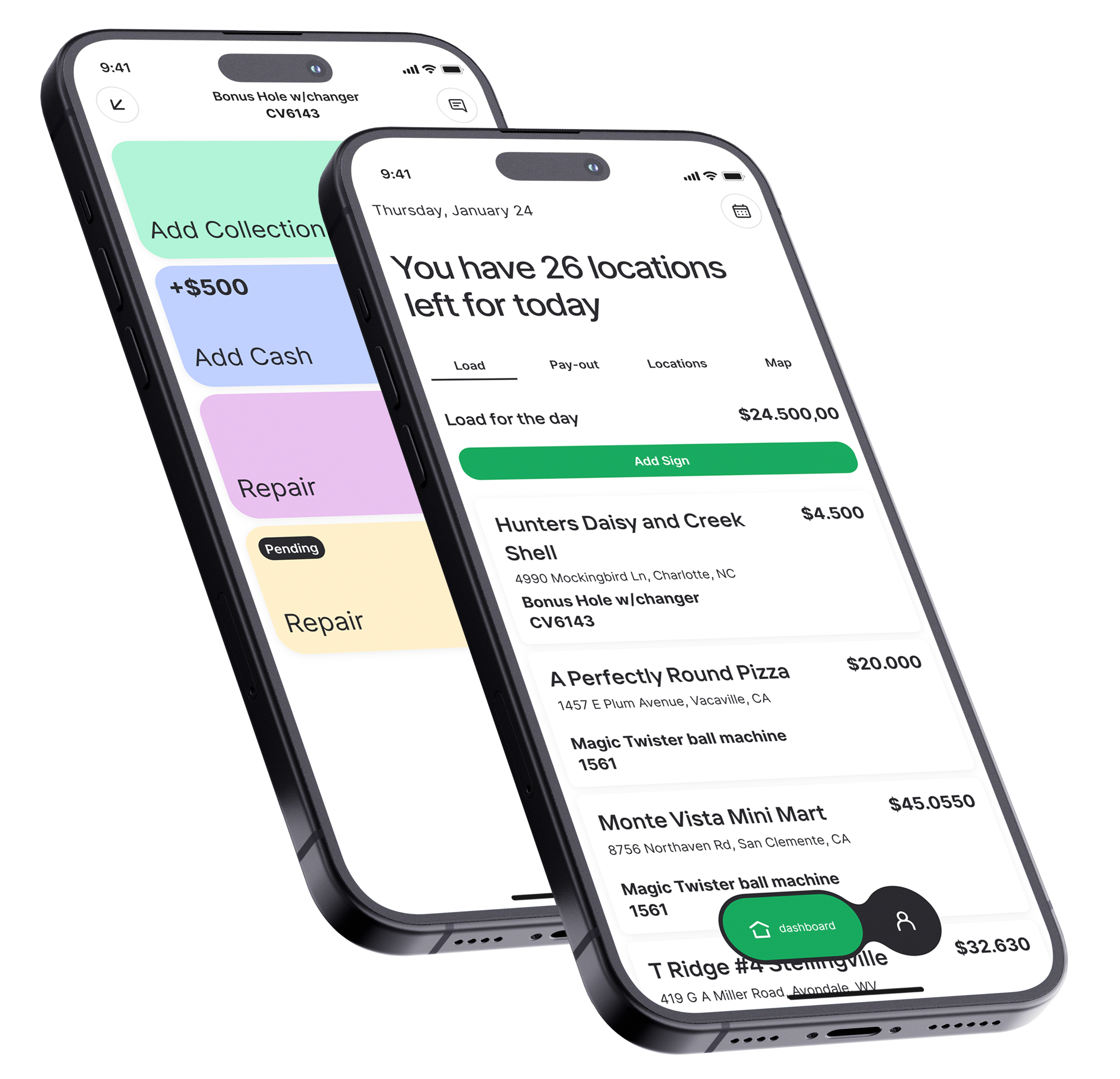
Revenue Boosters · Route management
Brocoders built a mobile and web solution for an amusement operator's collection routes and reporting after its previous system stopped working. The case describes reusable technical foundations alongside customer-specific workflows.
Read the Revenue Boosters caseWhat that means for your project
Look for the decisions, not just the screenshots.
A useful reference explains who needed to do what, where the old process caused friction and how the team translated that into software. A polished screen alone cannot tell you whether the permissions, data handoffs or exception paths are right for your operation.
When discussing your project, start with the corresponding operational decision: who can accept a job, what makes a worker eligible, which evidence closes the work and who can correct a record. These are practical questions you can examine in a prototype and later test in the delivered system.
How Fieldera uses this experience
Reusable foundations, customer-specific outcomes.
Fieldera brings an internal software foundation and field-service examples to the development process. Basic building blocks and patterns help the team approach a new workflow with relevant starting points. Engineers and AI-assisted tools use them to build the agreed customer solution.
That does not make every example an installable module. A project's integrations, access rules and operating behaviour still need to be implemented and verified for its scope. Your acceptance criteria should describe the result your business needs, regardless of how the code is produced.
Questions worth asking
Evaluate the delivery as carefully as the interface.
Before the build
Ask who maps the operation, what the prototype covers and how the first release is agreed. Check the assumptions, exclusions and dependencies in the proposal.
Before launch
Ask how your team will test ordinary and exception workflows, how data is checked and who approves the transition to the new system.
After launch
Ask who handles incidents, what maintenance includes and how changes are priced. Establish data access, code rights and handover terms before they become urgent.
Start with your context
Bring a workflow. We will work through the fit.
You do not need a software-development background. Describe a job that involves several people or systems and show where the process becomes difficult. A sample job sheet, approval chain or customer report gives the conversation something concrete to work with.
We can then examine what a tailored system would need to handle and whether a focused first release makes sense. If your existing tools can meet the requirement with a simpler change, that should be part of the evaluation too.
FAQ
Questions worth asking
Are these companies customers of Fieldera?
No. They are examples of Brocoders' software delivery work. We show them to explain the experience behind Fieldera, not to claim adoption of the Fieldera service.
Can our system have the same features as these examples?
A related workflow may be relevant, but it must be scoped for your users, data and rules. A feature in another project is not automatically included or available as a ready-made Fieldera module.
Where can we read feedback about Brocoders?
The original project pages provide project context, and Brocoders' Clutch profile contains client reviews. Check the project, date and scope of each review when assessing its relevance to your work.
Can you guarantee the same delivery time or outcome?
No previous project determines the schedule or results of yours. We estimate the implementation against your agreed scope and validate the delivered system against its own acceptance criteria.